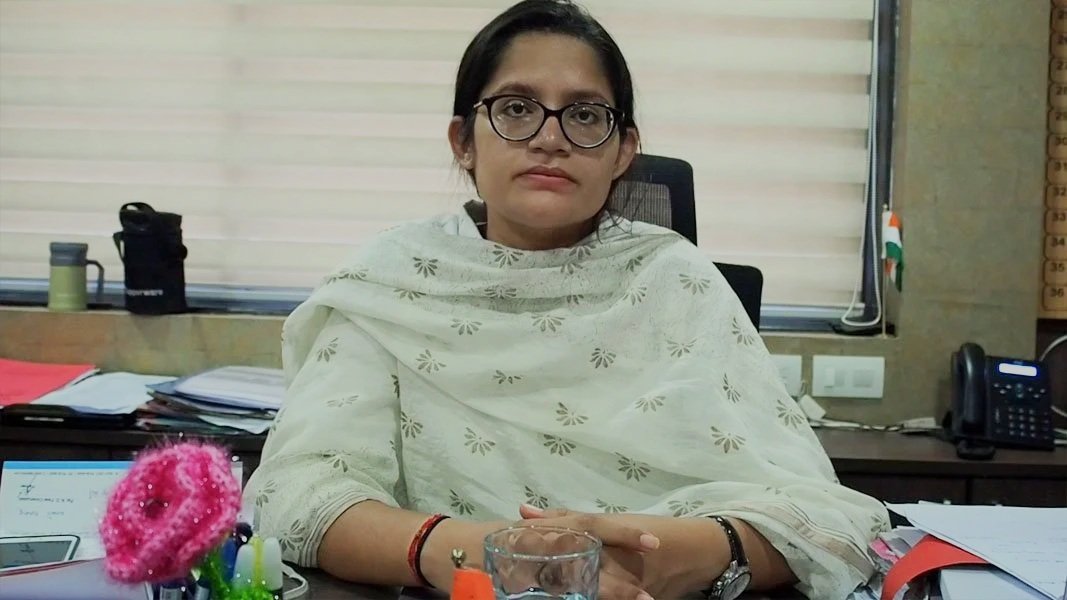
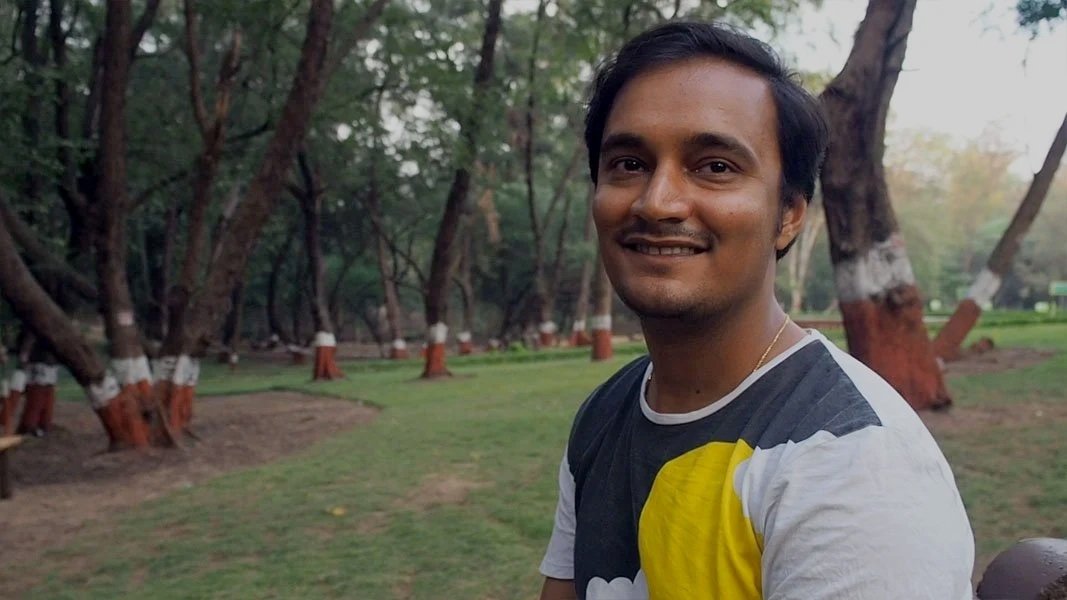
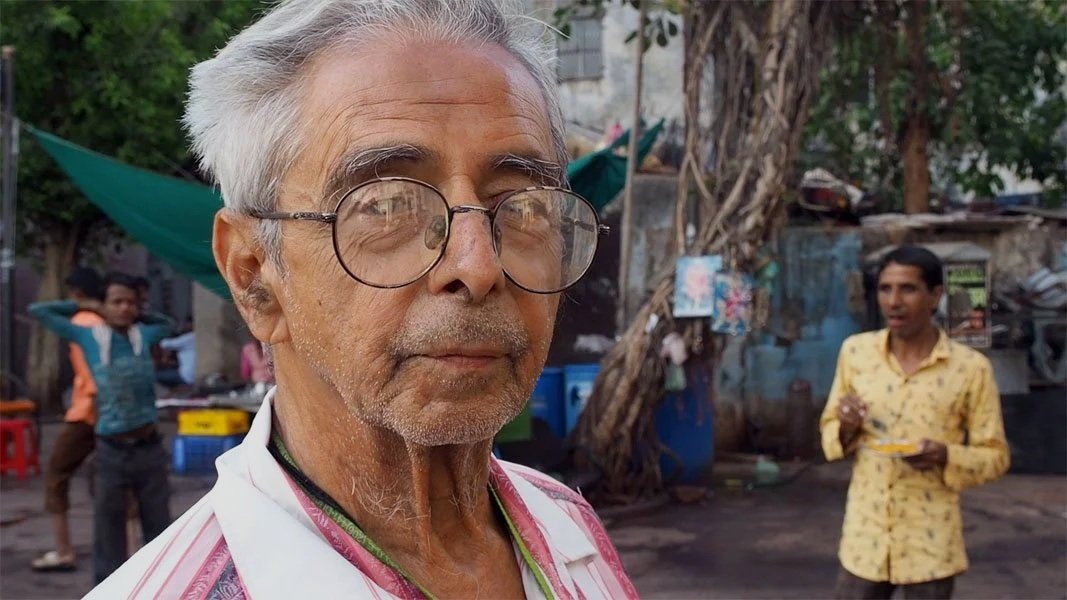

• Fragments of Unity

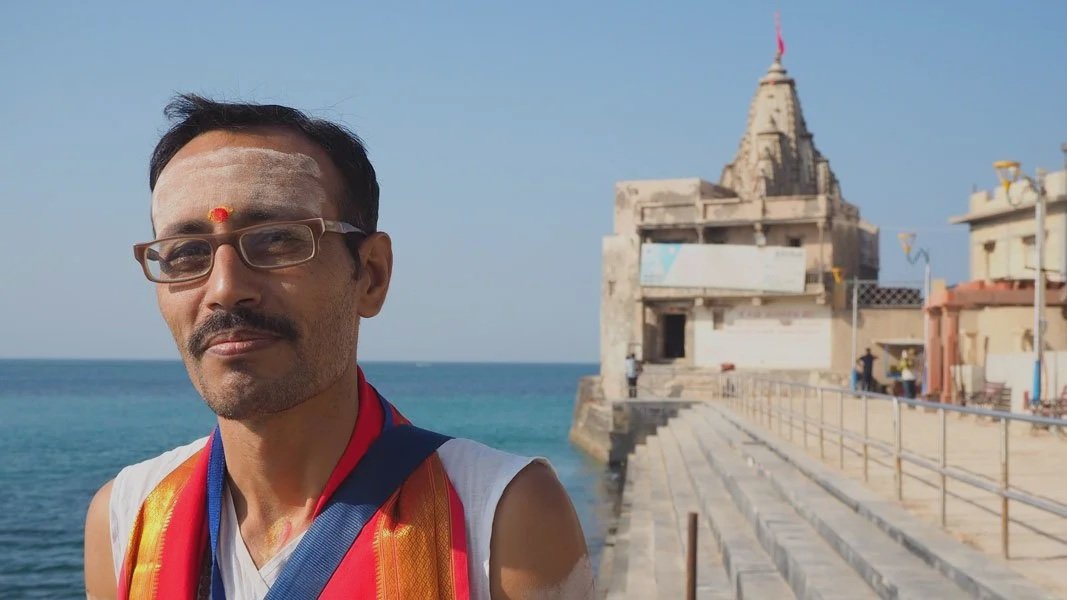
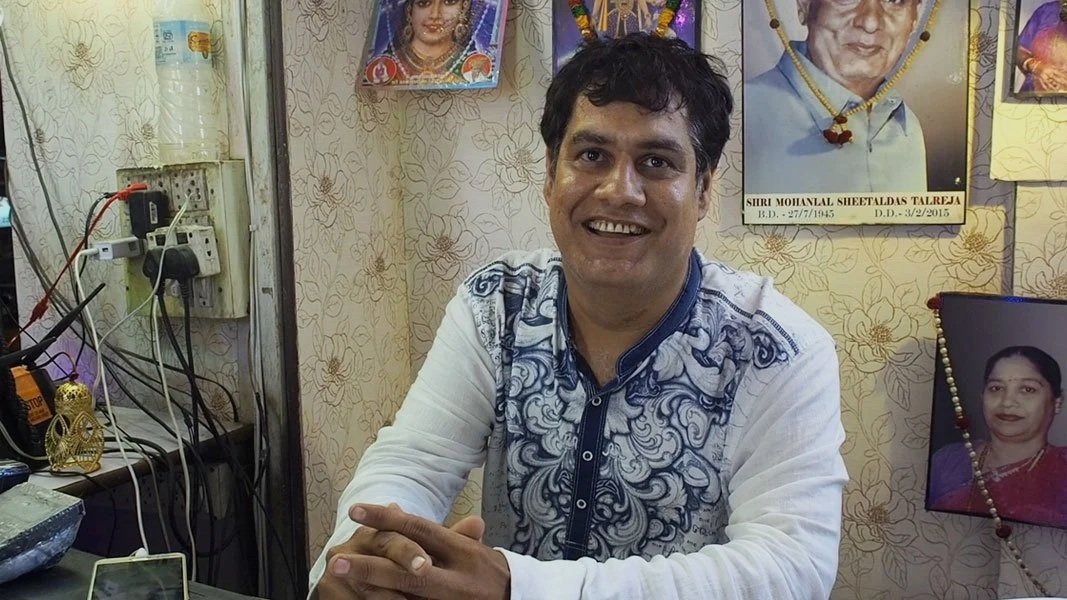
  • Paresh

    “Outside is important. The internal journey is much more important.

    What is more important - the cell phone or the SIM card?

    The SIM card is more important because the cell phone is only an instrument. Our body is just the same. This body is nothing. Inside: soul.

    In a different body we start our new karma. The body is only change, change, change.

    The soul is the power.”

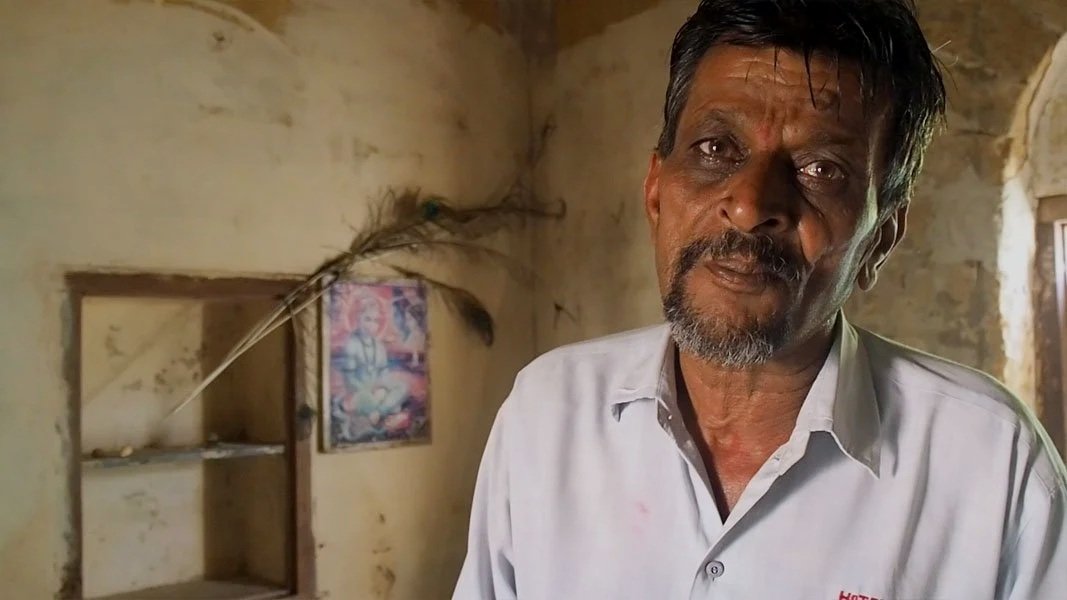
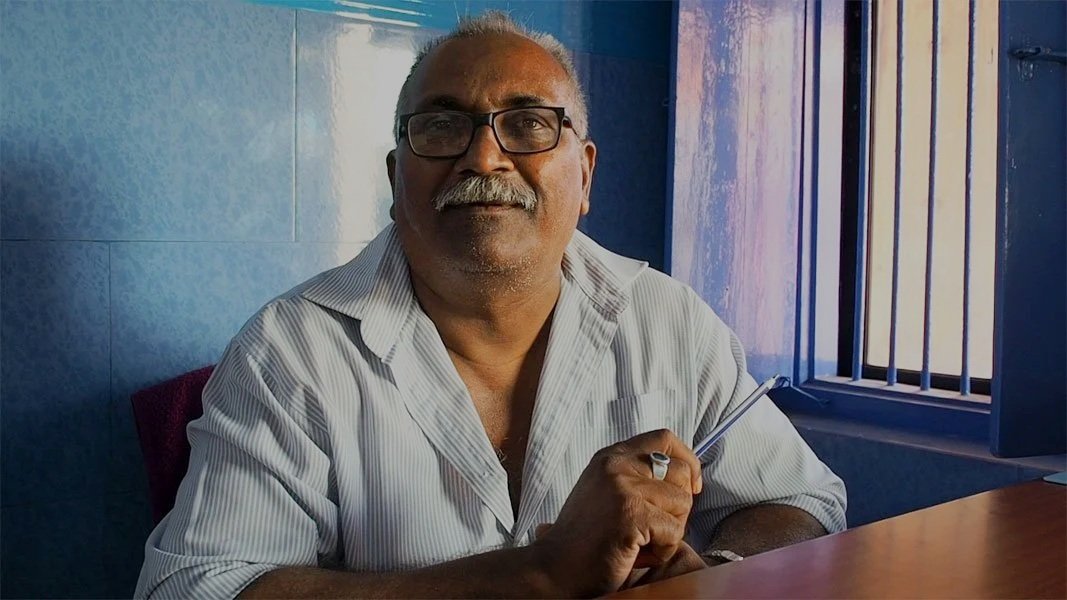
  • Joshi

    Who made the money?

    Man made the money and money made the man.
    But now the new generation in India think
    money made the man.

    New generation, they want to live money, money, money -
    very fast life. They don’t have patience to live life.
    They don’t have idea.
    If you have patience for sitting five minutes, you have more idea in your brain. Why you not using your brain? Why you not using your own idea?
    If you use your own idea, you cannot break your life.
    You cannot fall down.

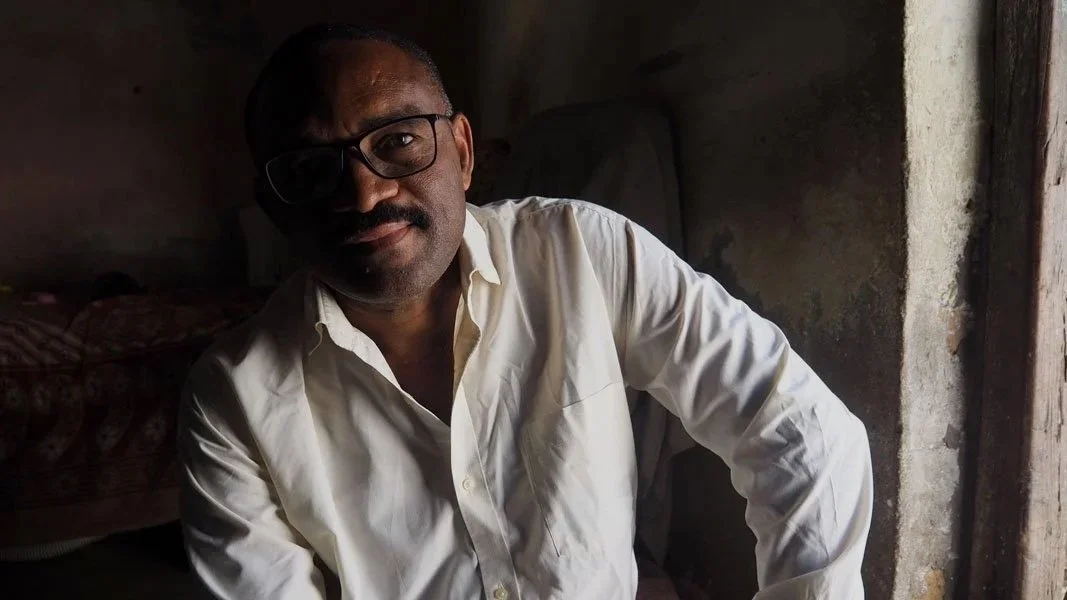
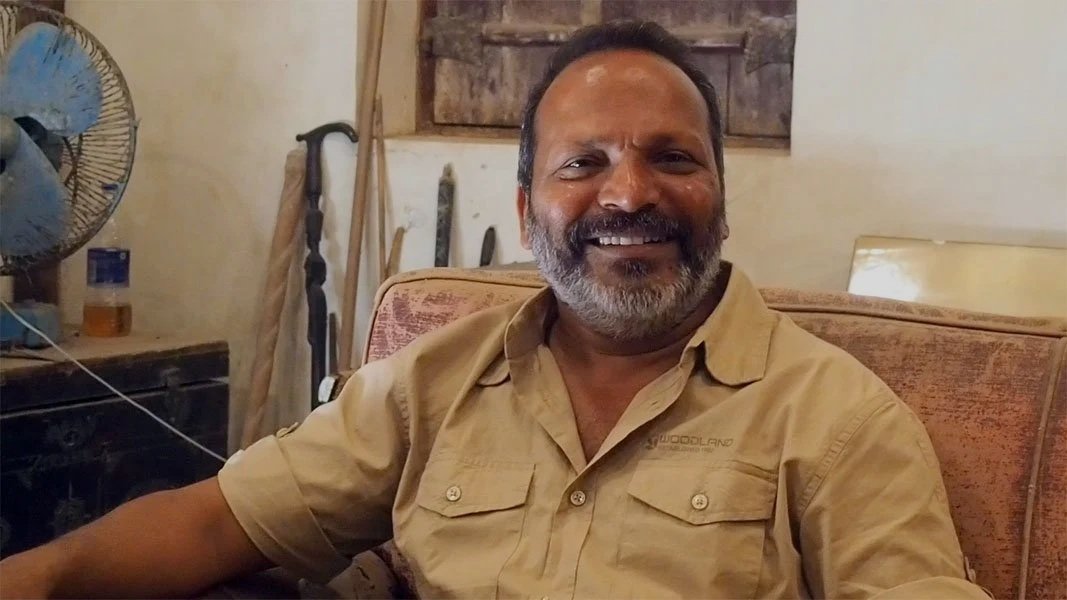
  • Sadik

    “Our gods and goddesses
    have given so many good things.
    How to treat people. How to talk
    with people. How to react, how to work,
    how to be a human being with the people.

    There are so many good qualities we can get from them.

    People of India are leaving so many things
    which they used to do in the olden time.”

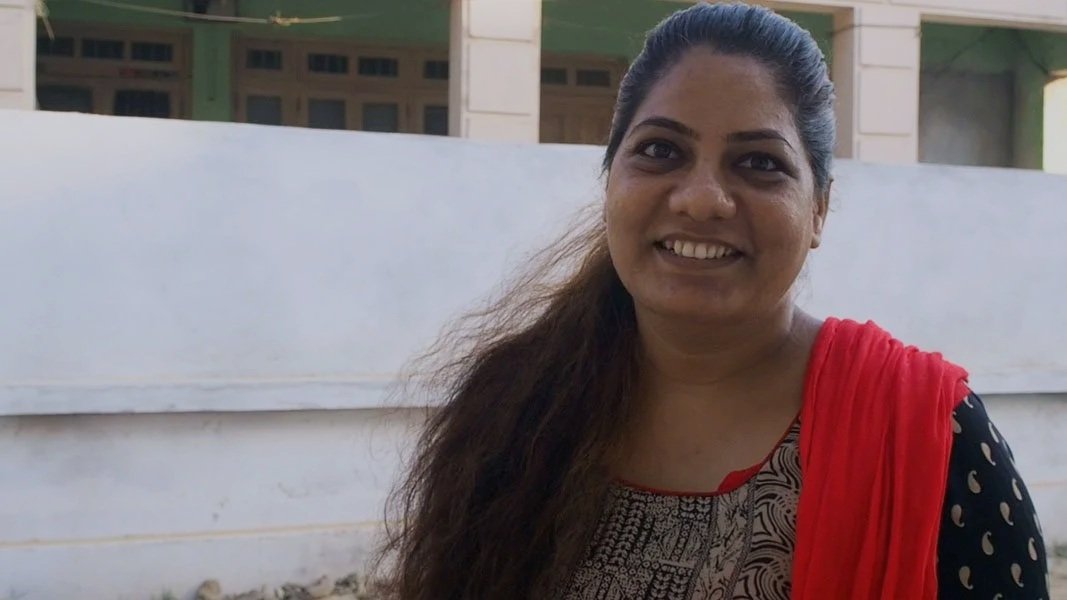
  • Kira

    I think it’s good for us
    and bad for us.

    Good things are new technology, new essentials, new things to do.

    Bad thing is, you forget about your culture. You forget about your natural things - homeopathic things. This is bad.

    If we want our children to be good human beings, we can teach them what is our community - what is our holy things - what it is we are.

    Teach them - Vedas, Bhagavad Gita – they are real. They are meaningful, and we can take the good things from those books.

  • Manisha

    “During that time, before 1947,
    it was slavery time for the Indian people.
    British people came and ruined our culture.

    Why they got that chance?
    Because Indian people were unemployed and uneducated.

    If a person doesn’t have money to go where they want to go, definitely they will believe a supreme person with the thinking that, “If I go with that person, he will give me bread and butter. He will protect me.”

    The picture behind the curtain is very different, but most Indian people don’t want to understand the reality of things.

  • Jagdish

    Many years ago, everybody used cloth bag, paper bag. And now most people everywhere in the world: plastic, plastic, plastic.

    Then after the cow is eating plastic, the cow is sick, then dead. Then the doctor operates on the cow and out comes the plastic.
    Plastic is a very big, big problem.

  • Bharat

    India is a free country. Everyone is independent. Everybody is king. So everyone, everywhere, pan spitting and plastic panni bottle throwing. Everywhere. Because everybody’s king and India is a free country!

  • Vandana

    Personally I am not in favour of allowing pan masala to be sold so publicly. It should be controlled like cigarettes are controlled.
    From a sanitation point of view it’s quite a big challenge for us.
    People will spit anywhere.
    Sometimes we experiment with that paint, which, you know, lets that thing slide off so it does not stain the walls and everything.

  • Nishant

    Earlier in India
    there was nothing known as ambition.
    There was only living a life freely,
    living a life in liberty.

    People are working away from the family
    - away from what they actually want to do in life, and there is no peace. There is only a dream or an aspiration to achieve more and more.

    If you look at a person from inside, everyone does not want to have an ambition. Everyone does not want to be an achiever. Everyone actually wants an inner peace or contentment.

  • Dhan

    “It’s the changing times. The times are changing. We are entering the period of dissolution. Everything will be finished.

    It’s been there from before, from the beginning of time - when the problems and the wrongs of humankind become too much.

    There will be so much chaos. So much destruction. So much hatred. Everything will turn upside down.

    Then – a new thing will enter. The old will be thrown out.

    It's in the scheme of things - like night and day - It has to come.

    — Is there anything we can do?

    You can live your life in a better way. That’s all. That’s what I feel. You can live your life in a better way.”

A UNITY BEYOND OPPOSITES

Long before India was divided by Empire, there were carvings, sculptures and statues of unity up and down the country. They were the dramatic icons of non-duality that melded polar opposites together as one

Half and half images, like the fusion of Shiva the Destroyer with Vishnu the Preserver, were a striking way of saying, these are not opposites; they are inseparable pairs. Neither can exist without the other. It was, in the words of the Bhagavad Gita, “a unity beyond opposites,” freed from the source of loathing, craving and conflict.

In India, the word, “development” once referred to the spiritual growth of an individual. These days it refers more often to the material growth of the economy, and while extravagantly celebrating the idea of unity, politicians are importing values, which by their very nature, give rise to disunity.

Are India’s deals with the West a predestined part of the great cosmic cycle? Must the downward spiral of growing division inevitably end with the the Natraj, Shiva’s final dance of creative destruction? And as home to one of the last living traditions that bears the common hallmarks of many lost civilisations around the world, what does India’s spiritual decline mean for the rest of us?

Fragments of Unity Preview

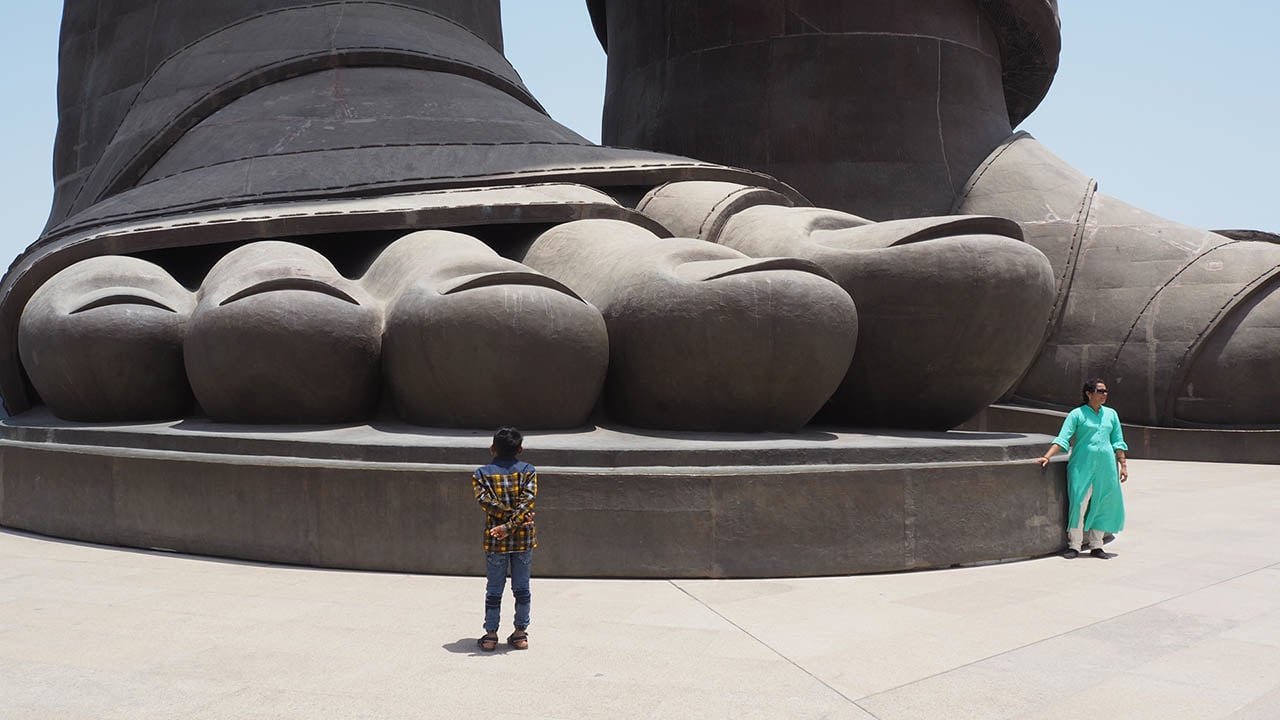
I didn’t go back to India in 2018 to make a film, but at some point after leaving Kashmir, I started to hear people talking about the Statue of Unity. As I learned more about the statue, it brought to mind a few obvious questions, so I began to ask these questions to people I met along the way.

But it was only in Gujarat, the home state of Prime Minister, Narendra Modi, that I decided to turn my little Olympus stills camera to the video setting.
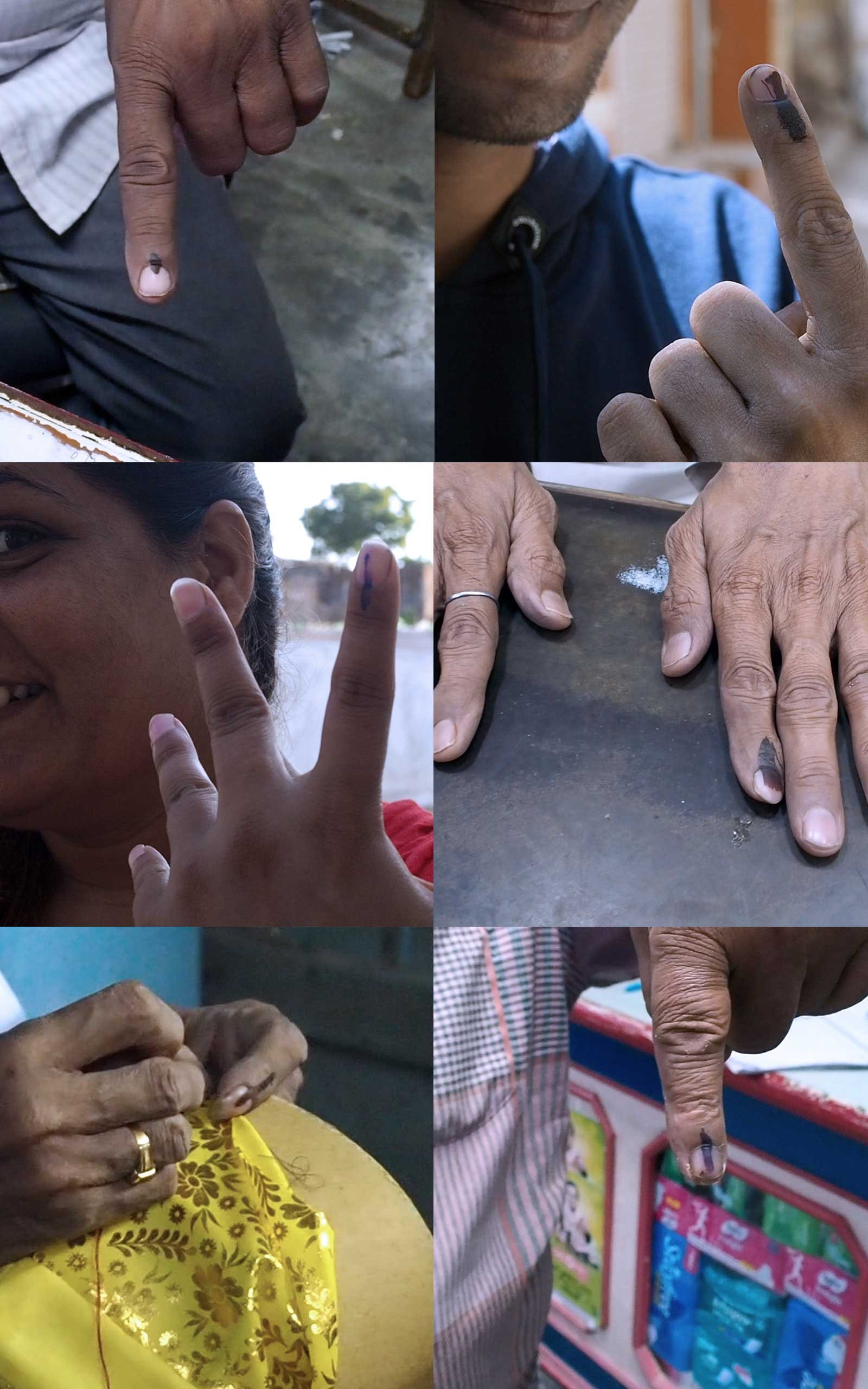
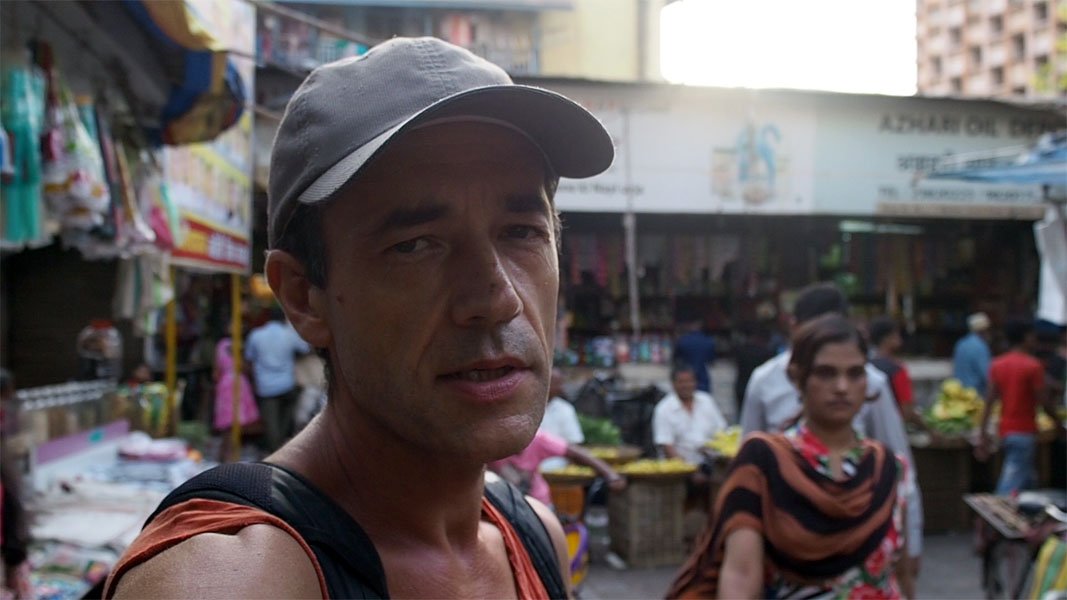
 “In 1991, India’s economy was in a very deep hole and it was decided that the only way out of it was to accept a large loan from the World Bank and the IMF. This $500 million bail out package came attached to some uncomfortably tight strings. Strings that were a little too reminiscent for many of the kind that India had not long severed, when in 1947 it gained independence from British imperial rule.

INTRODUCTION

Twelve years later, in 2003, I visited India for the first time, and there weren’t many signs of a Western corporate takeover back then. Just some hand painted ones for Pepsi Cola dotted around. But I suppose it was early days and there was still room for those strings to be tightened a little further.”

That’s how I introduce the documentary I never set out to make on a searing May afternoon in a Mumbai marg. It was the very last thing I shot on the final day of a ten month long trip.

My previous visit in 2012 had already prepared me for the fact that India was no longer the land of complete otherness it had seemed when I first journeyed around the Subcontinent nine years earlier. The last time I had seen Connaught Place, that decaying imperial centre of Delhi, it had been the sole preserve of local traders. Since then every archway had been fitted with plate glass windows, decaled by one global brand after another – Dunkin’ Donuts, Pizza Hut, Levis, Benetton – there was even a Manchester United shop…

Keep Reading

Fragments of Unity Preview 2

As Buddhism and Hinduism teach, the ego can never be satisfied. It always wants more. It always needs refuelling. When one fix wears off, it instantly craves a new one. 

The egos on the boards of global corporations know that only too well, and to ensure their continual growth they understand what must be done. Wherever they operate it’s essential to foster a climate of fundamental discontent. 

There must always be a hole at the centre that can never be filled. If a hole doesn’t already exist, a hole must be created. If an existing hole can be identified, it must be opened up further until it can’t be ignored. Everything on offer is aimed squarely at the desire to fill the hole.

But it’s a bottomless hole, which is why it can never be filled, and why the people trying to fill it always end up feeling empty.